Across a table, or sometimes on a computer screen, a youth engagement specialist sits with a young person in foster care who needs permanency and asks two questions: What do you want to share with families, and how do you want to share it?
Then the fun begins. The impact, too.
Together, over a handful of meetings, the specialist brainstorms with the youth and creates a multimedia project to help introduce them to potential families. The project may take the form of a video, podcast, book review, art project, virtual cooking lesson, or a combination of these.
There’s no end to what young people dream up and what youth engagement specialists help them create. We call these youth-driven projects In-Depth Profiles®.
The youth engagement specialist role is unique to our agency. It requires the ability to engage meaningfully with youth and strong content creation skills. The work involves interviewing, storytelling, writing, design, videography, and digital editing. These skills, coupled with compassion and curiosity, make our youth engagement specialists assets to our team.
Meet two of the pros: Ginger and Aaron
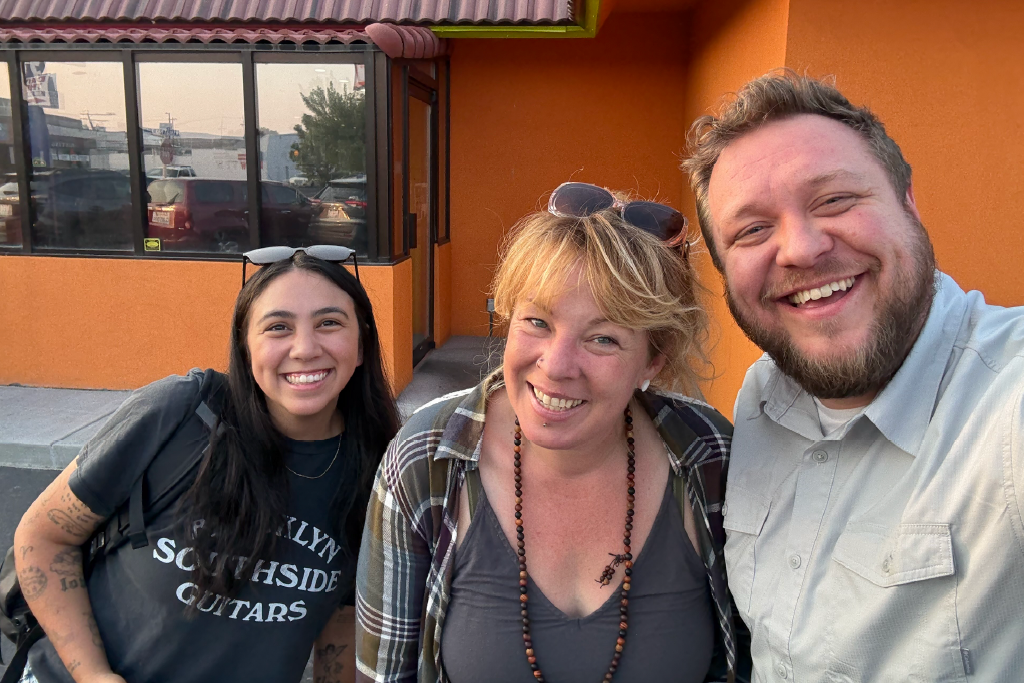
Ginger Seslar, an Alongside youth engagement specialist, has worked with youth in a variety of nonprofit and rehabilitation settings. She’s known for building trust quickly and helping youth open up. When one young person asked for a guitar accompaniment for a karaoke video, she happily stepped in to help. Aaron Smithmier comes from marketing and communications, with a stint as a counselor in a residential youth program. He helps youth find the coolest ways to showcase who they are, never shying away from a new camera angle or green-screen adventure.
Both use soft and technical skills to establish trust with youth and overcome barriers. They help young people share their interests, dreams, and stories with potential families.
Establishing trust
Building trust and getting a youth’s buy-in is the first, and sometimes most difficult, part of the job, but our youth engagement specialists do it with ease. At an initial meeting, called “the pitch meeting,” the youth engagement specialist uses that time to get to know the youth.
Ginger says, “I know it sounds super cliché, but it really is just meeting them where they are. No matter what a kid’s feelings are about their situation, or about adoption, there is a benefit to doing these projects.”
Aaron says, “I can’t tell you how many times I’ve heard social workers say, ‘Oh my gosh, you got so-and-so to open up!’ Capturing that on camera is really fun.”
Overcoming barriers to participation
Young people in foster care sometimes hesitate to start an In-Depth Profile project, or even to talk about permanency. They may be reluctant to trust adults or unsure about what they want for their futures.
Youth who participate often find the process fun and confidence-building—sometimes it’s one of the first times they’ve been able to make decisions and have some agency over their future. So Ginger and Aaron listen persistently, answer questions, and work through concerns in the hope that the youth will want to move forward.
Ginger recalls working with an older teen who wanted nothing to do with permanency or sharing about himself. It took more than a year to make headway.
“A big part of it was to start out hearing his side—understanding his thoughts, what he wanted, and unpacking his feelings and misconceptions,” Ginger says.
It turns out he didn’t understand what adoption meant, how it would work, or that other forms of permanency existed. He planned on aging out.
“We had a cool conversation that got a little deep, talking about why having adults in his life to support him really mattered, even if it didn’t become adoption. He was really interested in that conversation.” In the end, he created a video he felt proud to share with families.
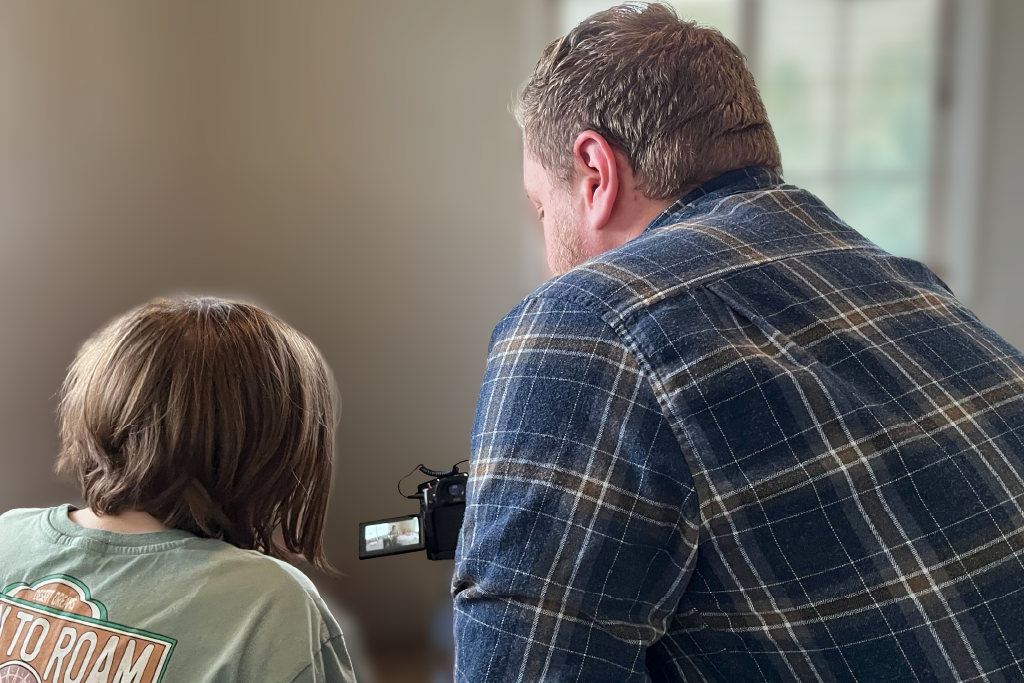
Youth engagement specialists must also think outside the box. For camera-shy youth, there are plenty of ways to share about who they are without making a video—for example, a podcast or a photo gallery of their latest artwork. One youth who didn’t want to be on video agreed to an audio piece about his interest in world history and his hopes to travel someday. In the end, he said, “I appreciated that you didn’t make me be on camera. I think it’s a pretty good representation of me for families to see.”
Staying flexible to build relationships
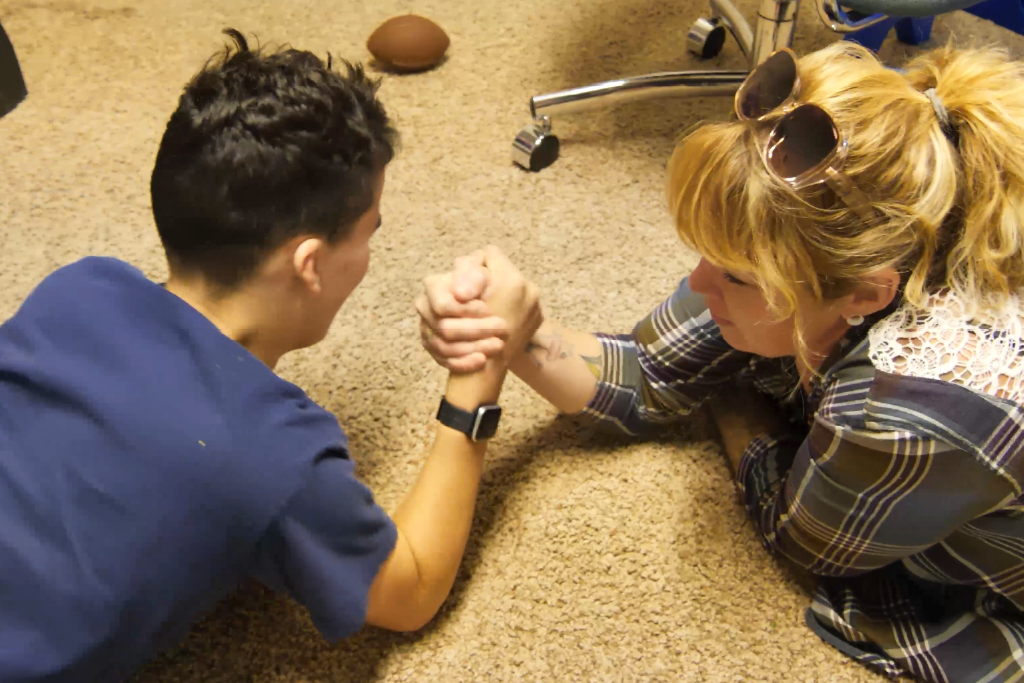
Sometimes, youth want to share an interest or hobby that matters to them. Maybe it’s a card game they’d love to play with family or a sport they could use a cheerleader for. Youth engagement specialists’ curiosity and eagerness to learn help youth drive the project.
“It doesn’t matter if I’m into it or not,” Aaron says. “At the end of the day, the video is not for me; it’s for them. You start with those surface-level passions. Once they’re used to talking about something they love, you can move on to something deeper, like, ‘What are you looking for in a family?’ And because you were listening to them before, they realize you actually do want to hear what they have to say.”
“You have to build relationships with people if you want to connect with them and create any meaningful work,” Ginger says.
Good relationships bring forward authentic stories
That relationship building doesn’t happen overnight. Aaron remembers a time when a youth told him he didn’t like interacting with people because he felt burned too many times before.
Later in that conversation, the youth said one of his goals was to meet new people and reflected that, just because he feared it, didn’t mean he shouldn’t do it. That self-awareness and open conversation showed families a much deeper side of this youth.
“I think he opened up because I came from a place of empathizing, listening, and talking to him like he’s a human,” Aaron says. “Sometimes that acknowledgment is all it takes for them to realize, ‘Oh, this person sees me for who I am, not who they want me to be or what my paperwork says about me.’”
Bringing stories to life
Once a specialist has earned a young person’s trust, the next step is helping them decide how they want to share their story, then providing the tools to do it.
The same specialist who spent an afternoon learning the rules of a youth’s favorite card game is the one holding the camera or the microphone when it’s time to record. It’s just the specialist and the youth, hanging out and creating something together.
That’s why the role calls for skills in youth engagement and digital communication: the trust a youth builds with the specialist carries into the recording, and that’s when they feel safe enough to let their personality shine.
“Really the dream job”
Ask Ginger and Aaron what they enjoy about their work, and they answer quickly.
“It’s really the dream job,” Ginger says. “It’s really cool to work with kids from this perspective and to be able to help them understand the situation they’re in. So many people don’t talk to them openly and honestly about their lives. And then the creative, artistic side of it is awesome.”
For Aaron, it’s the connection. “Hearing the life, passions, fears, and hopes directly from youth is going to connect somebody a million times faster than the most compelling written narrative or retouched photo,” he says. “As humans, we crave that connection. All the questions or unknowns become superfluous when you create that human connection.”