
Training and family support
We stay alongside youth and their families
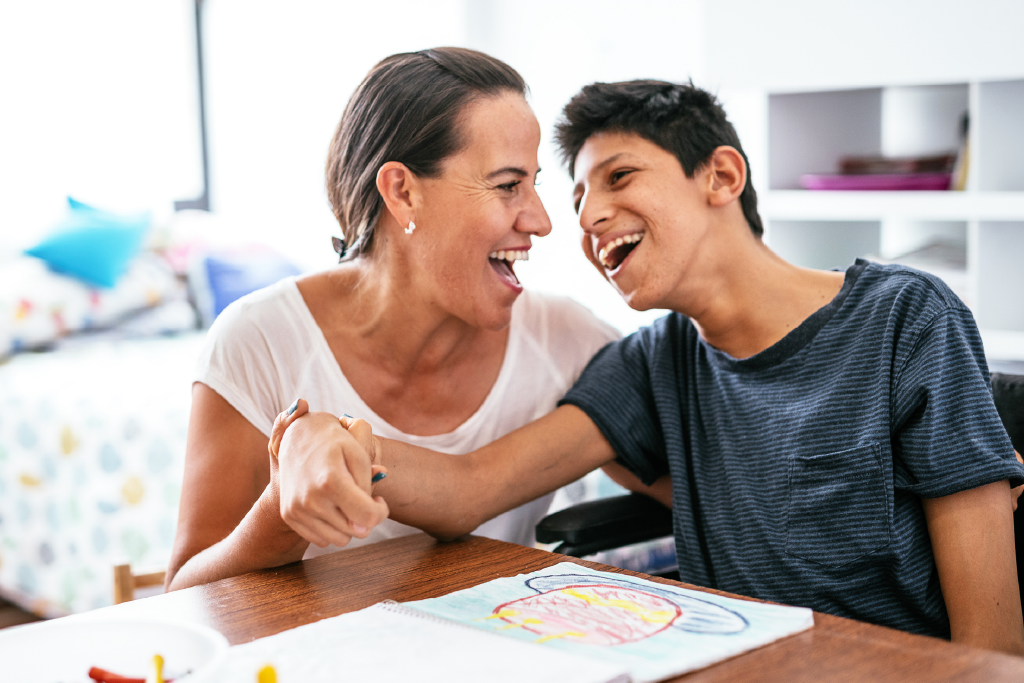
Caring for a young person who has experienced foster care brings joys and challenges no one can fully prepare for. We support families by offering a listening ear, access to services and resources, practical training, and community connections.
We work with families of all kinds—foster, kinship, adoptive, and guardianship—plus adult adoptees and the professionals who serve them. In every conversation, we start from the same question: what does this young person need to thrive?
Family support specialists listen and help
Sometimes a family needs a specific answer. Sometimes they need someone who understands. Our family support specialists listen first, then help families sort through options and connect with resources and services, from informational articles to support groups to therapists who understand adoption and foster care.
We don’t wait for families to call. Children reach natural turning points as they grow, and needs can change long after a placement or adoption is final. So we reach out at key moments, like milestone birthdays, to check in, share new resources, and ask a simple question: how can we help? Asking for help is often the hardest step.
Training for families centers young people
We offer training on a range of topics for families at every stage of parenting:
- Orientation and core training for families who are just getting started.
- Individualized training plans that help licensed caregivers find courses that fit the young people in their care.
- Live workshops online and by phone, so families in rural and remote communities can join too.
- Self-paced courses on topics ranging from trauma and mental health to school issues, identity, and talking about adoption.
Every training we offer is designed with young people in mind. When we train caregivers, we help them understand and meet the needs of the children and teens in their care.
Creating a stronger support network
Families do best when the professionals meant to help them also understand their experience. That’s why we also train caseworkers, community partners, and mental health professionals.
For example, we train therapists in adoption competency so families can find counselors who understand the grief, identity questions, and attachment needs that can come with adoption and foster care. We also bring nationally recognized trainers to our communities, sharing practices like therapeutic life story work that help young people make sense of their own histories.
The result is a stronger support network around every young person.
Specialized lending libraries
Our post-adoption support libraries hold parenting guides, books for children and teens, videos, and digital downloads on issues families face, from attachment and trauma to school, sleep, and identity.
We offer materials in many languages, including Spanish, Russian, and Vietnamese, along with training and resources that help families keep children connected to their culture, community, and Tribes.
Many titles are written or illustrated by adoptees and people who grew up in foster care. Our staff helps families and professionals find the right resource, and we mail materials for free.
Support through community, in person and online
No family should feel alone. We convene online support groups where parents meet others who understand, and in-person gatherings focused on fun. We also help with practical needs, from backpacks and school supplies to gardening starts to small gifts chosen especially for individual youth, like a sound machine or a summer recreation pass.
We stay alongside families
Whatever a young person needs, whether it’s a caregiver who understands their story, a therapist who knows adoption, a book that reflects their experience, or simply a reason to smile, we work alongside families to make it happen.