Getting licensed to adopt from foster care is notoriously difficult, but not for the reasons most people assume.
When we interviewed adoptive families about their experiences, they noted the seemingly endless to-do list: forms, fingerprints, background checks, training, CPR certification, and so on. But these logistics weren’t what made them consider giving up. It was the emotional hurdles they had to overcome.
Mapping the experience
To understand what is working and where system changes are needed, we sometimes borrow a private-sector tool called journey mapping. We interview families and sometimes caseworkers about what they did, thought, and felt over time. Then we use what we learn to define phases of their journey and pinpoint where things get hard.
In Washington state, we mapped the experience of adoptive families hoping to adopt older youth, from the moment they first considered adoption to the day they received their license. We expected to find friction that would be fairly easy to fix—a confusing form to redesign, a training to schedule at a more convenient time, or an instruction to clarify.
Two journeys
What we found surprised us.
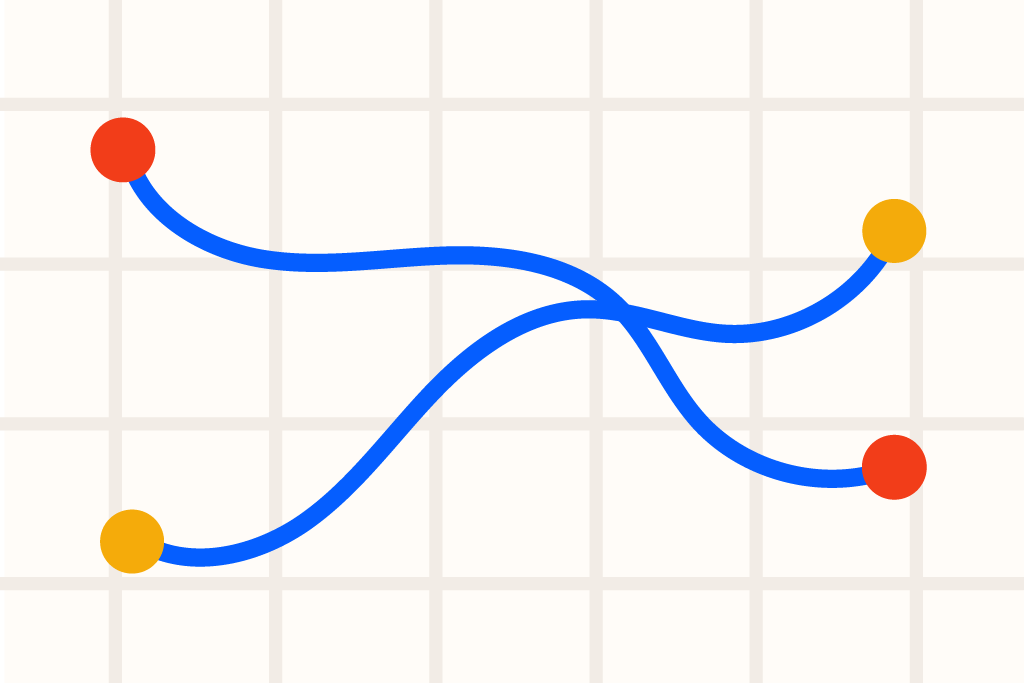
Prospective families were moving through a logistical journey: exploring adoption, completing required trainings, and submitting an application. Those to-do list items were tedious but manageable.
What gave families pause was the emotional journey they experienced at the same time.
Licensing was like getting ready for a road trip. Families started with a full tank. By the time they were licensed and ready to connect with youth, they were running on empty.
As they progressed toward licensure, families began to feel confused about how adoption worked, in part because trainings focused so wholly on fostering. Then, as the months went by and families continued to hear about the need for foster parents with little mention of adoption, many felt less and less valued. They told us things like:
- I’ve heard thousands of kids need homes. Where are they? How do I connect with them?
- I felt unwanted. Nobody seemed to care about me. I wondered why I was even doing it.
Licensing was like getting ready for a road trip. The forms, training, and home study were planning and packing. Families started with a full tank, fueled by hope and the belief that they were answering a real need.
But each time they contacted the system and felt confused or overlooked, it drained their tank. By the time they were licensed and ready to connect with youth, many were already running on empty.
What families need
Families’ emotional journey is deeply personal and often invisible; you won’t find a paper trail.
It holds the hope prospective families feel at the start and the discouragement that sets in when they wait months with little word from busy caseworkers who, in turn, are on logistical and emotional journeys of their own.
To stay the course, families need to feel welcomed and encouraged at the start, then valued and supported as the process continues.
Designing for both journeys
We cannot remove all the hard parts of these journeys for families, professionals, or youth. But we can design programs with both logistical and emotional journeys in mind.
We talked to our state partners about the need to recognize adoption as a distinct journey. We also revamped our information sessions, increased our communication with families, and dedicated more resources to support activities for pre-licensed families. Now more than 88 percent of families we survey find our revised information sessions very or extremely helpful.
The to-do list will always be part of the process, but families don’t have to finish it feeling depleted. When we pay attention to how people feel and not just what they need to get done, more families make it through licensing, and more young people get the families they need to thrive.
About the authors: Tyler Helbach is deputy director of Alongside, and Brandon Adams is senior designer and creative project manager.