
Youth engagement
Successful programs work with kids, not at them

Teenagers are supposed to gain independence—making more of their own decisions and beginning to explore their own path. For youth in foster care, this normal developmental step forward often gets interrupted.
Youth in foster care have been removed from their family, sometimes without a say in it, sometimes switching schools and communities. Amid that uncertainty, they are trying to hold on to some sense of what comes next.
Engaging youth in their own permanency plan (how they’ll leave the system) is one of the ways we can help youth regain a sense of control over their own lives and help ensure that they end up with a lasting family connection.
At Alongside, “youth engagement” is more than a sector trend; it’s the activity our successful programs are built on. Young people in foster care are the main characters of their own permanency stories, and they should have authorship over how they are represented, who learns about them, and what happens. That’s why we engage and empower youth to tell their stories and shape their own futures, working with them, not at them.
In-Depth Profiles®
Our In-Depth Profiles® model helps youth who need permanency share what they want with potential families, how they want to share it. The result is a multimedia project that represents the youth with authenticity. Youth dream up, co-create, and approve these profiles, which child welfare professionals can then share with families who might be a good fit. The National Adoption Association has recognized this model as a best practice.
Youth-led permanency consultations
Another youth engagement technique that we have pioneered is the youth-led permanency consultation.
First, we work with families to make short, fun videos that they can add to their profiles. In the videos, we ask families questions that will interest youth—for example, “So what do you love about teenagers?” Then our youth engagement specialists meet with a young person to discuss their permanency plan and what they’re looking for in a family, using the video profiles to seed discussion.
After the consultation, we loop in caseworkers and reach out to families—both families in the videos and others in the pool—who might be a fit for what the youth is looking for. So often the process of finding a connection is family-driven, with families viewing profiles and reaching out about young people who catch their interest. This protocol flips that script and helps youth drive what happens next.
A toolkit for caseworkers
Working with youth in foster care around permanency planning is its own area of expertise—and an area caseworkers told us they could use support developing. That’s why we built a toolkit on youth engagement: how to start a conversation with a young person about permanency, keep it going, work through barriers, and bring in the youth’s whole team to support next steps. The toolkit is full of practical tips and, of course, advice from youth themselves.
Featured post
Article
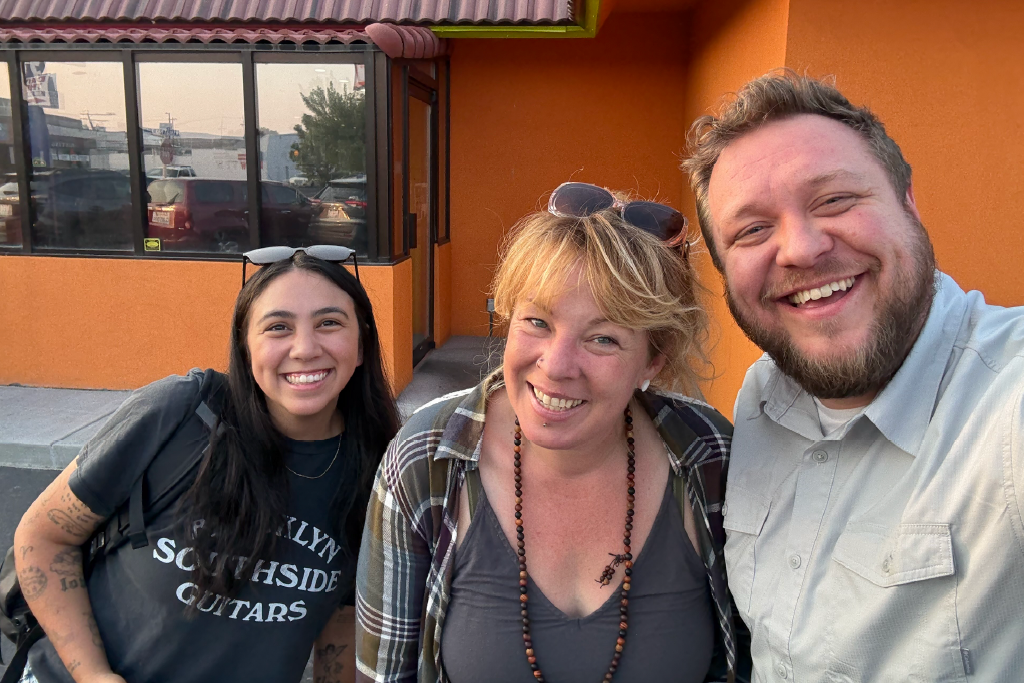
Meet the youth engagement specialists
Their role requires skills in working with youth and digital communication.
Read more